What The Emma Grede Era Means For Black Women
Emma Grede knows how to command a room as effectively as she has captured the world’s attention over the last few months.
Saint & Citizen · May 7, 2026 · 7 min
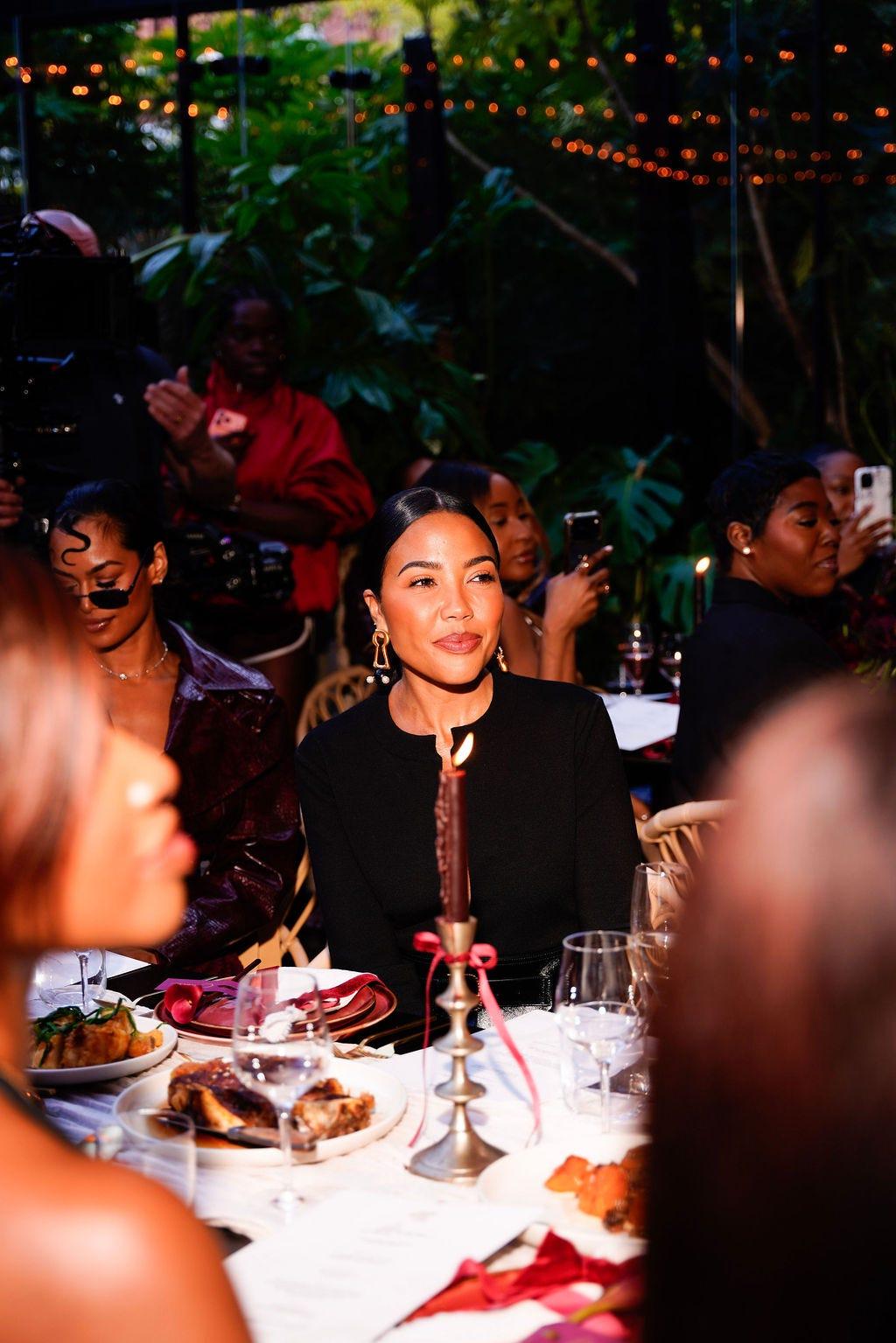
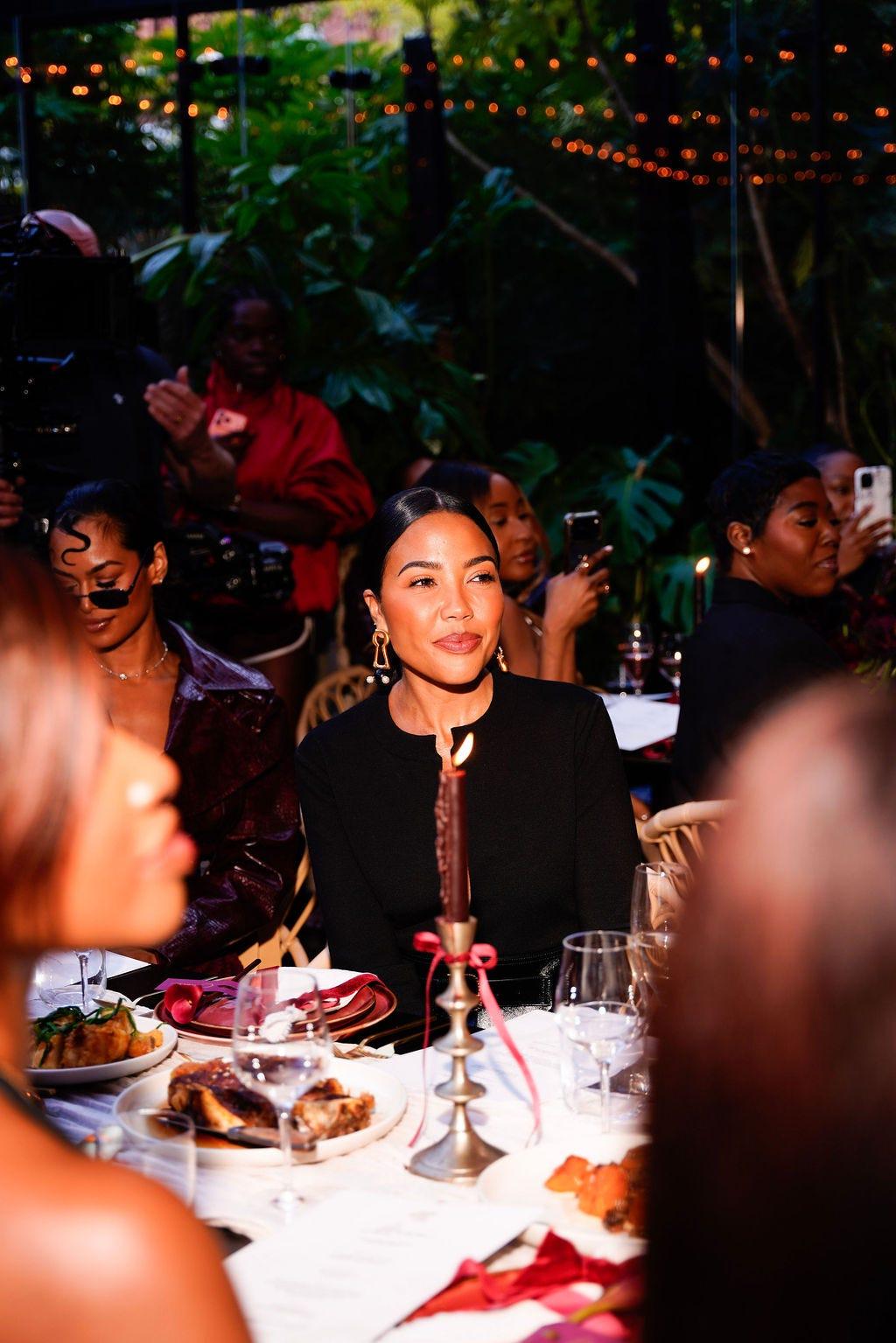
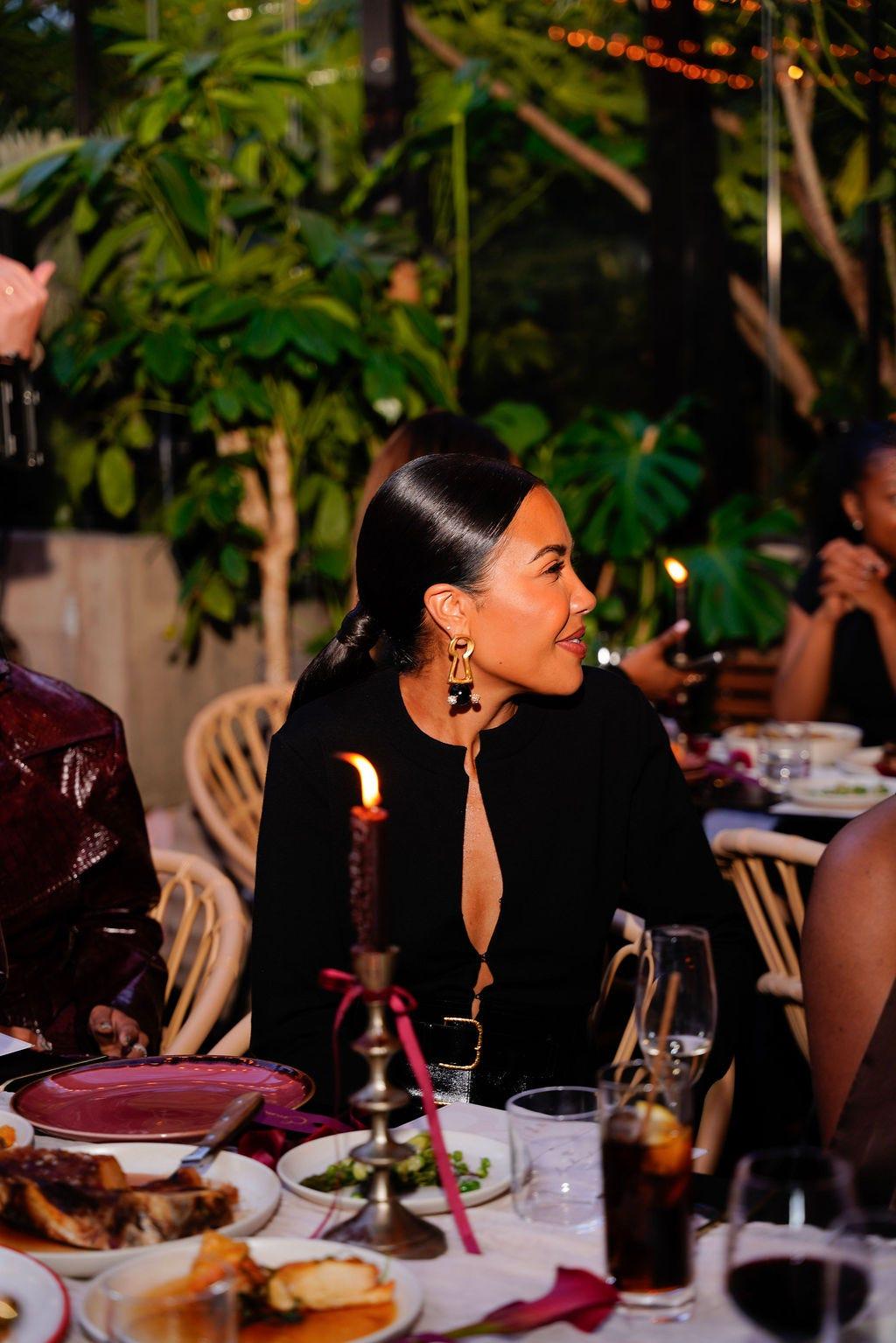
Emma Grede knows how to command a room as effectively as she has captured the world’s attention over the last few months. “The important thing is that we have conversation, to engage with each other in a way that a 30-second [Instagram] reel doesn’t,” said the CEO and entrepreneur to an intimate room of successful Black British women at London’s Standard Hotel last week. You could hear a pin drop. “We need to sit down and have deep and meaningful conversations about what it means to be successful.” Everyone nodded in agreement. Emma Grede’s rousing and sometimes controversial perspectives on money, work and motherhood have certainly caused all that conversation of late — especially among Black women.
On Tuesday, 28, April, Saint & Citizen, a sound-forward media platform born in Atlanta, launched its first Book Club live event, aiming to move the book club experience off the page and into real, meaningful conversation. Emma Grede’s new bestselling book Start With Yourself was a natural fit for the first event. Charting Grede’s life from Plaistow, East London, to forging a powerful career in LA as the founder of Good American and an investor in SKIMS, Start With Yourself is a frank and energising look at creating a life on your own terms.
Grede’s radically honest message (heard on every podcast, TV interview and article recently) of what it truly takes for women to make it in business and life has more than ruffled the internet’s feathers. Yet beyond the soundbites that went viral — her admission of being a “three-hour mum” and belief that “working from home is career suicide” — Grede’s advice, though frank, is heartfelt and well-intended. In life and in the pages of her book, the CEO doesn’t sugarcoat; as she would say herself, she has no time for toxic positivity or BS. And when it comes to the social media discourse, well, she said what she said. As she joked during Book Club Live, “If you didn’t know the meaning of the word discourse before, you know what it means now. I’m the poster child and the face of it!”
While Grede is unfazed, the “discourse” is ongoing. Black women are questioning how Grede’s advice actually fares when facing racial and gender discrimination in the office. For example, the CEO’s suggestion that working from home is “career suicide” has been a particular pain point amongst Black women. For many of us (me included), remote working has been a shield from the corrosive impact of work-based racism, microaggressions and needless emotional labour. And it should go without saying, Black women have always worked hard and have always been hyper-visible in work without trying, but that hasn’t made us immune to abject inequality.
“Because I’m a Black woman, a lot of people want to talk to me about DEI,” Emma writes in the book, “but if I’m telling you the truth, I don’t know how practically helpful it is to obsess about whether people are appraising you in a prejudiced way from a career point of view.”
It’s a bold opinion, especially given the current shambles of DEI initiatives across the US and here in the UK. Within the last year, more than 30 American companies have rolled back their DEI programs, including Meta, and let’s be even more real, Black women have been disproportionately affected by these rollbacks — up to 400,000 Black women have lost jobs or left the workforce, driven by layoffs and cutbacks.
Emma briefly acknowledges this in her book, writing, “I don’t want to suggest that it’s not a significant issue. It is. Big time. But when it comes to work, [DEI] is a company’s problem and not an individual’s problem to solve.”
I agree that Black women should not bear the responsibility of fighting for DEI in the workplace (she’s right — we’re exhausted!), but no amount of waiting for big corporations to get their act together will solve the issue of highly capable Black women out of work, either.
So, what will?
For the last few weeks, I’ve debated whether adopting Emma’s “new vision for work and life” could really combat the structural barriers to Black women in work. Do our limiting beliefs about who gets to succeed hold us back?
In the book, Emma paints a relatable picture of women holding back in work for fear of experiencing hostility. I’ve definitely been that woman. The book instead encourages Black women specifically to lean into our differences when we are in rooms where we’re the only ones. “There’s a fair amount of risk that comes to any woman who is visible. You don’t need me to tell you that,” she writes, “But I do know that the more of us who endure takedowns without being dissuaded from moving forward… the less dangerous it becomes to be celebrated and seen.” Emma’s recurring message throughout is for Black women to be seen — not just despite the adversity we may face, but because there is so much more to gain when we do.
If you spend as much time online as I do, you may have seen Allure’s article discussing Grede’s decision not to invest in Diarrha N’Diaye-Mbaye and her Black woman favourite makeup brand, Ami Colé, as she was “not extraordinary” as a founder. N’Diaye-Mbaye announced she was closing the brand (breaking hearts!) and joining Emma Grede as head of SKIMs Beauty last year.
This provoked a collective side-eye; why was she not extraordinary as a founder but worthy as an employee? As explained by writer Susan Akyeampong for Allure, Grede has clarified her comments, allowing N’Diaye-Mbaye to tell her own story about her entrepreneurship journey on the podcast, Aspire.
As Diarrha N’Diaye-Mbaye has said herself, when it comes to mentorship, Emma Grede “is about it.” Grede, a Shark Tank investor, has highlighted her advocacy for Black businesswomen — whether through her support of non-profits such as the Fifteen Percent Pledge and mentorship for Black founders who tend to experience a structural funding gap when it comes to seeking investment. It’s an advocacy she writes about within Start With Yourself, from urging Black women founders to “sell to everyone” and challenging the “horizontal hostility” when Black-owned brands, such as hair brand Mielle, sell to huge conglomerates. As one of the most successful Black British female entrepreneurs, this insight into building a business as a Black woman feels valuable and, importantly, actionable.
In Start With Yourself, Emma Grede takes an ‘I-made-it-so-you-can-too’ approach to her advice in her book. As a mixed-race woman, raised by a single mother in East London, who left school at sixteen years old with no formal higher education, she’s more than aware of the hurdles to financial success faced by women of a similar background. However, not all advice fits neatly into the reality of a woman’s unique set of circumstances.
Right now, there seems to be tension between wanting to be more Emma Grede — give a little less fucks, set more boundaries, build longstanding wealth and do it with style — and everything we were taught to believe as Black women, especially when it comes to motherhood. By now, you’ve probably heard Grede describe herself as a “three-hour mum” — it’s not only a catchy, very PR-savvy tagline, it’s the reality of running as many companies as she does. Grede admits that she doesn’t spend long stretches with her four children and bears no guilt about it. As she writes, “...men do not feel constantly on their back foot about their competency and visibility as fathers.” Agreed. I haven’t yet had children, so I found this take on motherhood bold and frankly, something I could get behind! Yet it has also hit a nerve. In a recent article by Ebony they share that Grede’s version of motherhood feels “out of reach” for the Black mothers who are often expected to carry the emotional and financial load of motherhood. For Black mothers juggling priorities amongst limited resources, being a three-hour mum is often not a choice.
What’s clear is that Emma Grede is fulfilling her mission of starting a meaningful dialogue about the way women approach work and life. As a result of Start With Yourself, I have spoken with women across sectors, entrepreneurs and those climbing the corporate ladder. I spoke with women who refuse to drink the capitalist Kool-Aid entirely. All perspectives have been worth hearing. Regardless of your personal standpoint, Grede’s passionate call for women to start with themselves — in work, in motherhood, in their romantic partnerships, in vision for their life — can, and should be universally embraced. For Black women, who often bear the brunt of high expectations for labour, education and assumed selflessness, this is uniquely vital.
Over the last week of Emma Grede’s book tour in London, I’ve become very familiar with the entrepreneur’s incredible ability to charm a crowd — call it her East London bravado, but Emma Grede is infectious. Grede possesses a unique skill that allows the businesswoman to disarm naysayers and deliver her message of self-actualisation with razor-sharp precision. And I’m inclined to believe that she has permitted many women to start with themselves — if only we just start.
More like this

A Nation You Can Carry
Haiti returned to the World Cup after 52 years - without a home, and now without the right to wear its own history. So it brought the one thing no committee…
Jonathan Giles · 5 min

I Love Boosters, Boots Riley, and the Battle of Black Art at the Box Office
Despite their impact, nearly all culturally specific, Black-directed films are produced with budgets below $40 million, but are still expected to compete with…
Xero Gravity · 6 min

Megan Thee Stallion: The Consequences of Being A Sexual Black Woman
After the death of her parents, grandparents, and the shooting by Tory Lanez, Megan Thee Stallion was facing one battle after another. For many Black women,…
Habiba Katsha · 5 min